Puyallup’s Dedicated Property Damage Restoration Company
Disasters strike commercial and residential structures without warning, requiring a calculated response to stop secondary damage. As a dedicated property damage restoration company, Rampart Restoration dispatches IICRC-certified mitigation teams directly to Puyallup, Washington. We stabilize structural failures, extract trapped moisture, and neutralize hazardous environmental contaminants 24/7.
Comprehensive Puyallup emergency recovery
What emergency mitigation services do we provide in Puyallup?
Rampart Restoration provides water damage mitigation, mold remediation, and fire damage stabilization for properties throughout Puyallup. Our local crews arrive fully equipped to execute strict structural restoration protocols, preventing long-term material degradation.
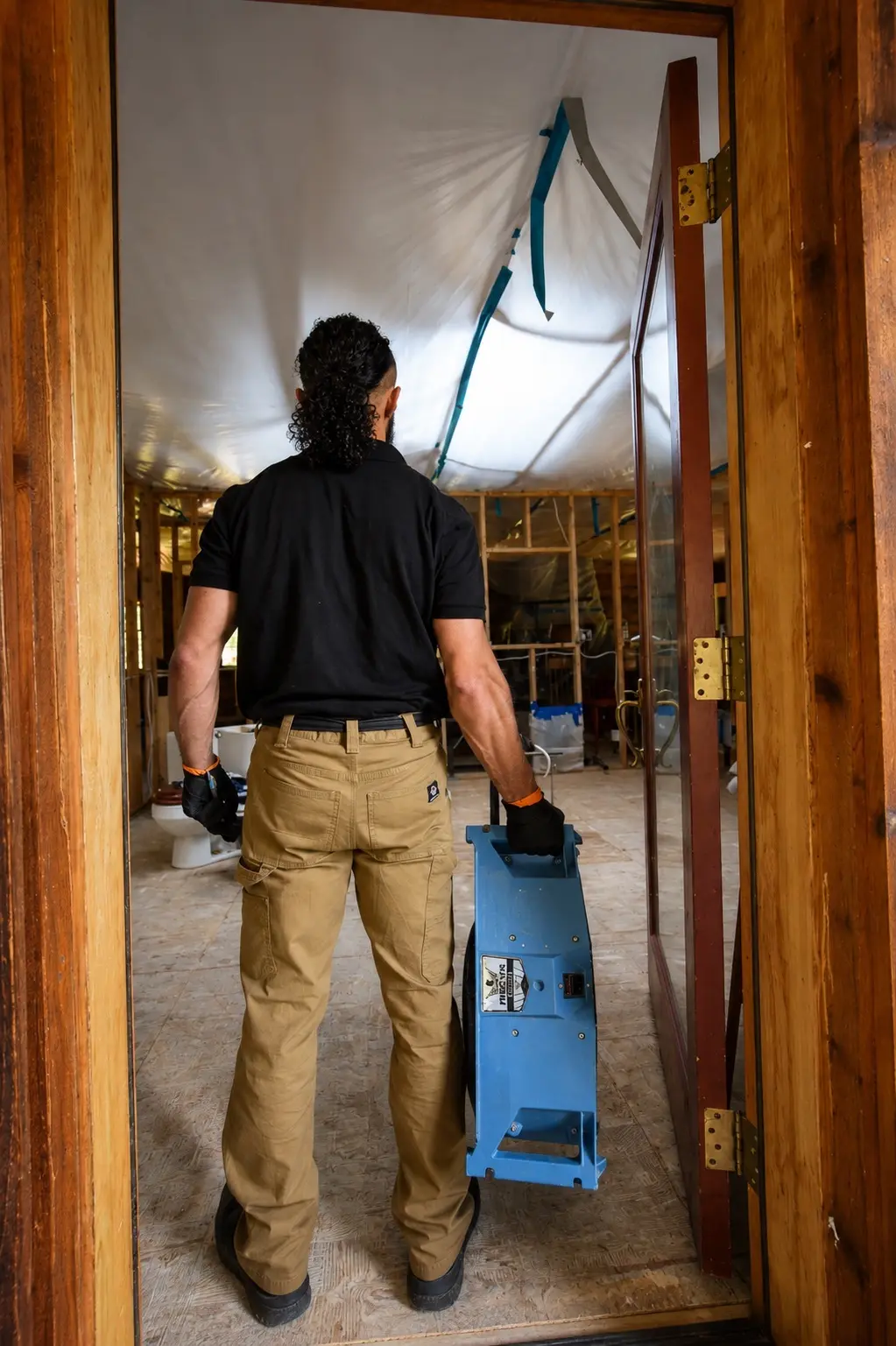
Trapped moisture destroys drywall, framing, and subfloors within hours of initial exposure. Rampart Restoration deploys thermal moisture mapping and high-capacity dehumidifiers to extract standing water and verify structural dry standards.
- Emergency Water Extraction: Technicians utilize commercial-grade pumps and vacuums to remove standing water immediately upon arrival.
- Moisture Mapping: Calibrated meters and thermal imaging cameras define the exact boundaries of water intrusion hidden behind solid walls.
- Structural Drying: Industrial air movers and LGR dehumidifiers evaporate deep structural moisture until the environment reaches safe, pre-loss levels.
Unaddressed microbial growth creates severe liability for property owners, HOA boards, and commercial facility managers. Rampart Restoration enforces strict containment boundaries and IICRC S520 protocols to eliminate airborne fungal spores safely.
- Negative Pressure Containment: Heavy plastic barriers and HEPA air scrubbers lock down the affected workspace to prevent cross-contamination.
- Targeted Material Extraction: Certified field technicians safely remove and bag compromised porous materials for authorized disposal.
- Antimicrobial Surface Application: EPA-registered treatments sanitize structural framing to prevent future microbial outbreaks.
Combustion events leave behind highly acidic soot that permanently etches interior surfaces if left untreated. Rampart Restoration secures compromised buildings, removes hazardous debris, and neutralizes deeply embedded odors.
- Fire Odor Removal: Advanced deodorization equipment neutralizes trapped smoke particulates at the molecular level.
- Soot & Smoke Residual Cleanup: Specialized cleaning agents extract acidic residues from salvageable building materials.
- Structural Damage Repair & Stabilization: Field teams secure compromised framing and prepare the site for permanent reconstruction.
Hassle-free claim approval
Why partner with an insurance-approved restoration contractor?
Partnering with an insurance-approved restoration contractor guarantees transparent documentation, accurate Xactimate estimates, and highly efficient claims processing. Rampart Restoration coordinates directly with major insurance carriers to align project scopes and prevent out-of-pocket delays for property owners.
We provide adjusters with itemized loss reports and daily drying logs to justify every physical intervention. This strict data collection eliminates friction during the final payout and reimbursement process.
Proven step-by-step workflow
Our Standardized Project Execution Process
Rampart Restoration operates using universally accepted response protocols to ensure rapid deployment, transparent communication, and immediate action.
Property managers call our 24/7 dispatch center at (253) 528-5995 to report the disaster's exact scope and location.
On-Site Assessment
Field operators conduct thermal mapping and draft a comprehensive structural mitigation plan.
Site Containment
Technicians establish negative pressure environments and physical barriers to isolate hazardous materials.
Active Mitigation
Crews execute targeted water extraction, demolition, and EPA-registered sanitization procedures.
Carrier Reporting
Project managers submit finalized dry logs, photo documentation, and mitigation files directly to the assigned insurance adjuster.